

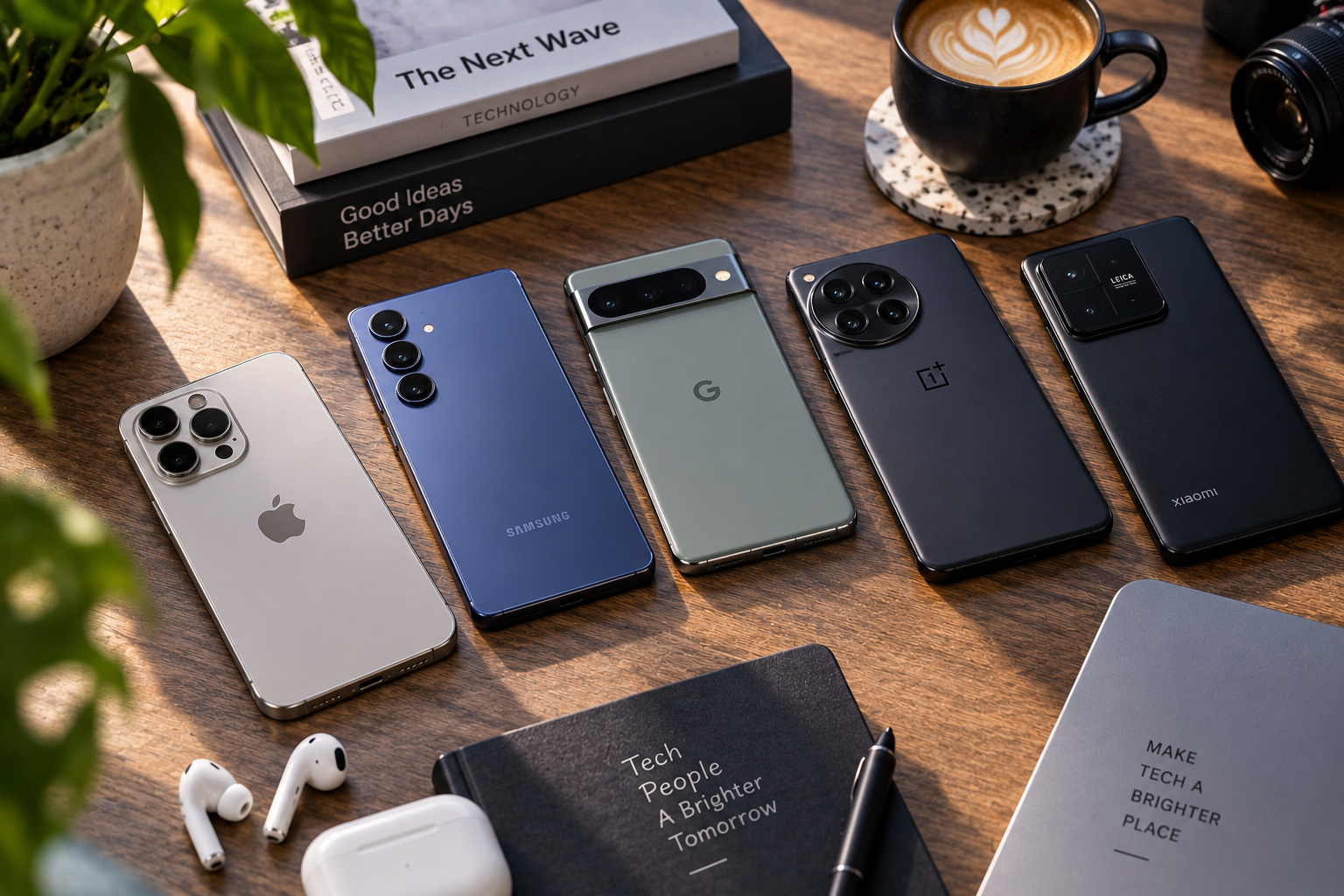
If you feel like buying a new smartphone has become noticeably more expensive this year, you’re not imagining it.
Apple’s latest iPhone launch made the trend impossible to ignore. The new iPhone 18 Pro starts at $1,199, while the iPhone 18 Pro Max starts at $1,299. That is a $100 increase over last year’s comparable models. But Apple is far from the only company raising prices.
Google’s Pixel 11 also launched at $899, up from $799 for the Pixel 10, while Samsung’s Galaxy Z Fold 8 Ultra jumped to $2,099, another $100 increase over its predecessor. Other manufacturers, including Sony and Motorola, have also raised prices on some 2026 models.
So what is going on?
It’s Not Just About Inflation
Smartphone prices have always gone up and down depending on the model and market, but the increases we’re seeing in 2026 have a more specific explanation: the cost of memory and other components has surged.
The biggest factor is the enormous amount of computing hardware being deployed for artificial intelligence.
AI data centers require huge quantities of high-performance memory, including DRAM and HBM. That has created intense competition for memory production capacity, putting pressure on prices across the technology industry.
Counterpoint Research estimates that U.S. smartphone average selling prices could rise 13.5% year over year in 2026, largely because of higher LPDDR memory costs caused by demand from AI data centers.
And smartphones aren’t the only products affected. PCs, tablets and other consumer electronics are facing similar component-cost pressures.
RAM Has Become Surprisingly Expensive
Memory is particularly important because modern smartphones are using more RAM than ever.
AI features require additional memory, while flagship phones increasingly ship with larger amounts of RAM and storage. At the same time, manufacturers of memory chips have strong incentives to prioritize the rapidly growing AI infrastructure market.
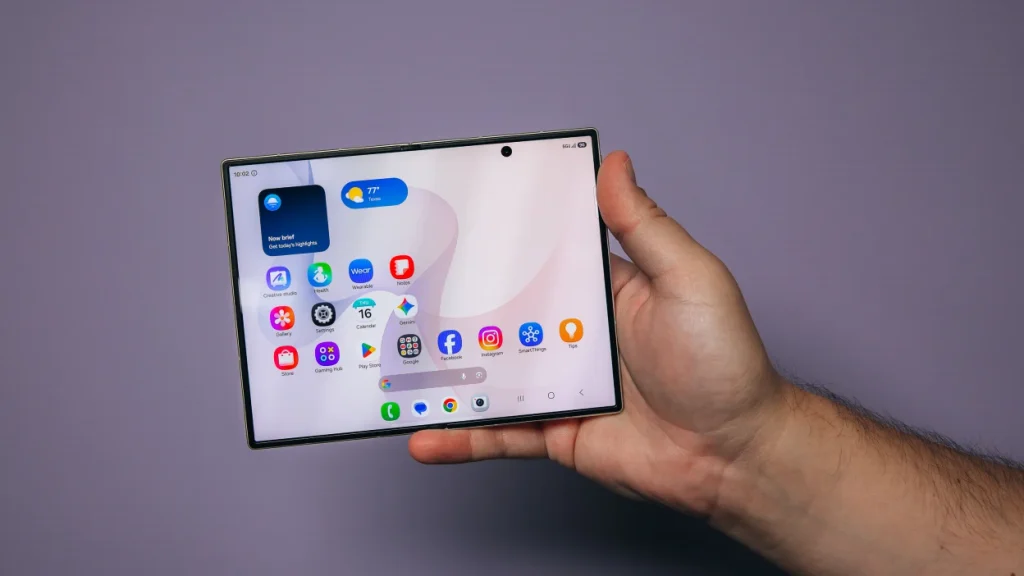
Google acknowledged earlier this year that the company was dealing with what it described as an unusually severe memory-price increase. According to reporting from 9to5Google, the price of 1GB of RAM had increased dramatically compared with 2025 levels.
That creates a difficult situation for smartphone manufacturers.
They can absorb the higher costs and accept lower margins, reduce specifications, or pass at least part of the increase on to customers.
In 2026, we’re increasingly seeing the third option.
Apple Finally Raised iPhone Prices
Apple had managed to avoid raising the prices of its main iPhone lineup for some time, but the iPhone 18 Pro changed that.
The iPhone 18 Pro now starts at $1,199 and the Pro Max at $1,299. Apple also increased prices on some older iPhone models, making it harder to simply buy last year’s phone as a cheaper alternative.
The increase isn’t entirely surprising.
Earlier reporting suggested that the cost of memory had become a much larger portion of the iPhone’s overall component bill. One analysis estimated that memory could account for roughly a third of the component cost of the 256GB iPhone 18 Pro in the second half of 2026.
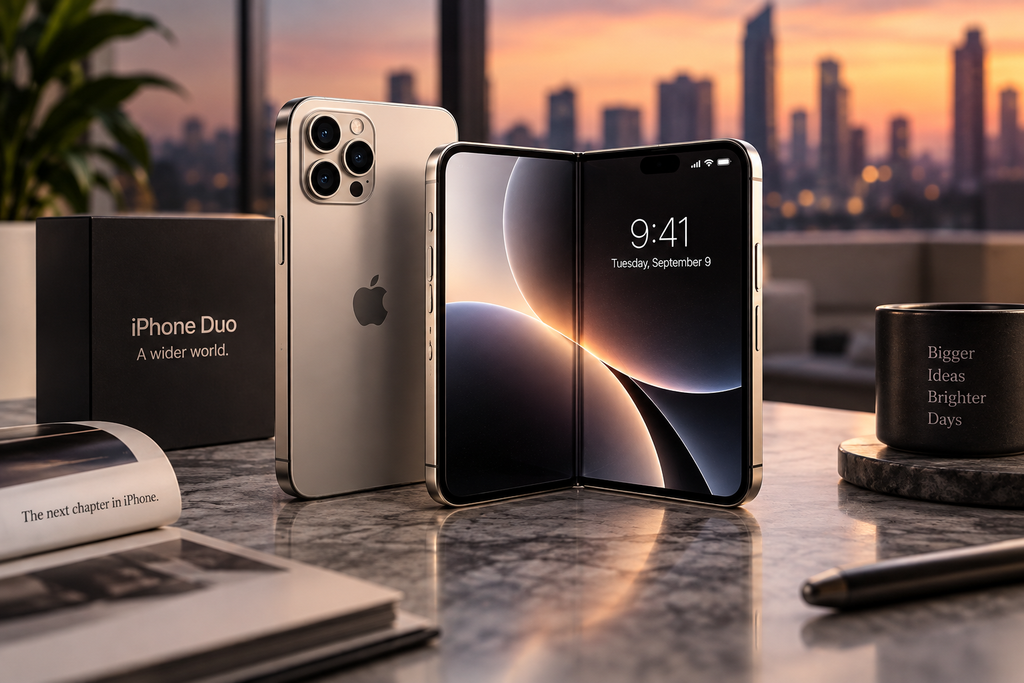
And Apple’s new foldable iPhone Duo takes the pricing story to another level.
Starting at $1,999, it becomes the most expensive mainstream iPhone Apple has ever sold.
Google and Samsung Are Doing the Same
This isn’t an Apple-only problem.
Google raised the starting price of the Pixel 11 by $100. The Pixel 11 now starts at $899, although Google also increased the base storage from 128GB to 256GB, which makes the effective increase less dramatic for customers who would have bought the larger storage configuration anyway.
Samsung has also increased prices on some of its flagship devices. The Galaxy Z Fold 8 Ultra launched at $2,099, $100 more than the previous generation.
That means the three biggest names in premium smartphones are all moving in roughly the same direction.
Are More Price Increases Coming?
Unfortunately, there are reasons to think this isn’t a temporary problem.
The demand for AI infrastructure continues to grow, and memory manufacturers are under pressure to supply data-center customers.
Reuters reported this week that even China’s AI chipmakers are raising prices because of the global shortage of high-bandwidth memory. Huawei and Cambricon have reportedly increased prices for upcoming AI processors by significant percentages as HBM costs rise.
That doesn’t mean smartphone prices will suddenly jump by hundreds of dollars every year.
But it does mean manufacturers may have less room to keep prices unchanged while component costs continue rising.
What This Means for Buyers
For consumers, the biggest change may be that waiting for the next generation won’t necessarily mean getting a cheaper phone.
The traditional cycle was relatively straightforward: a new flagship arrived, the previous model became cheaper, and customers could choose between the latest features or a discounted older device.
That still happens, but the gap may not be as attractive if manufacturers continue raising launch prices.
It also makes buying a phone that you intend to keep for several years more important.
A $1,000 phone that lasts four or five years can make more financial sense than upgrading every two years, particularly when the improvements between generations are becoming increasingly incremental.
Smartphone Price Increases: The Short Version
- iPhone 18 Pro: starts at $1,199, $100 more than its predecessor
- iPhone 18 Pro Max: starts at $1,299
- iPhone Duo: Apple’s first foldable, starting at $1,999
- Pixel 11: starts at $899, up $100
- Galaxy Z Fold 8 Ultra: starts at $2,099, also up $100
- Main pressure: higher memory and component costs
- Major factor: booming AI data-center demand
- What buyers can do: keep phones longer and consider previous-generation models
Pros
- Higher prices are partly offset by better hardware and larger storage on some models
- More powerful AI features are becoming standard
- Longer software support makes keeping a phone for several years more practical
- Competition between Apple, Google and Samsung remains strong
Cons
- Flagship phones are becoming increasingly expensive
- Memory shortages could keep putting pressure on prices
- Budget smartphones may become harder to find
- Some price increases aren’t matched by equally significant hardware upgrades
Final Thoughts
The smartphone market isn’t suddenly becoming unaffordable, but 2026 has clearly changed the pricing equation.
Apple’s $100 iPhone 18 Pro increase grabbed the headlines because Apple is one of the world’s biggest smartphone makers. But when Google, Samsung and other manufacturers are making similar moves, it’s clear that something bigger is happening.
AI may be giving our phones more powerful features, but there’s an ironic downside: the infrastructure needed to build the AI is also making the hardware inside our phones more expensive.
For buyers, that probably means one thing above all else: if your current phone still works well, there may be more value in keeping it for another year than there used to be.