

Robot vacuums used to be pretty simple. They moved around your home, bumped into furniture, tried not to fall down the stairs and eventually found their way back to the charging dock.
That has changed dramatically.
The latest models are packed with cameras, LiDAR, AI-powered object recognition, advanced mapping and increasingly sophisticated software. Some can recognize cables and toys, avoid obstacles, identify different surfaces and even navigate over small steps. At IFA 2026, robot vacuums were once again among the biggest smart-home stories, with new models from companies such as Roborock and DJI pushing these features even further.
But there is an obvious question:
Do you really need all that AI to clean your floors?
The short answer is: probably not — but the right AI features can make a robot vacuum much more useful.
What Does “AI” Actually Do in a Robot Vacuum?
The term AI is used pretty loosely in the robot vacuum market.
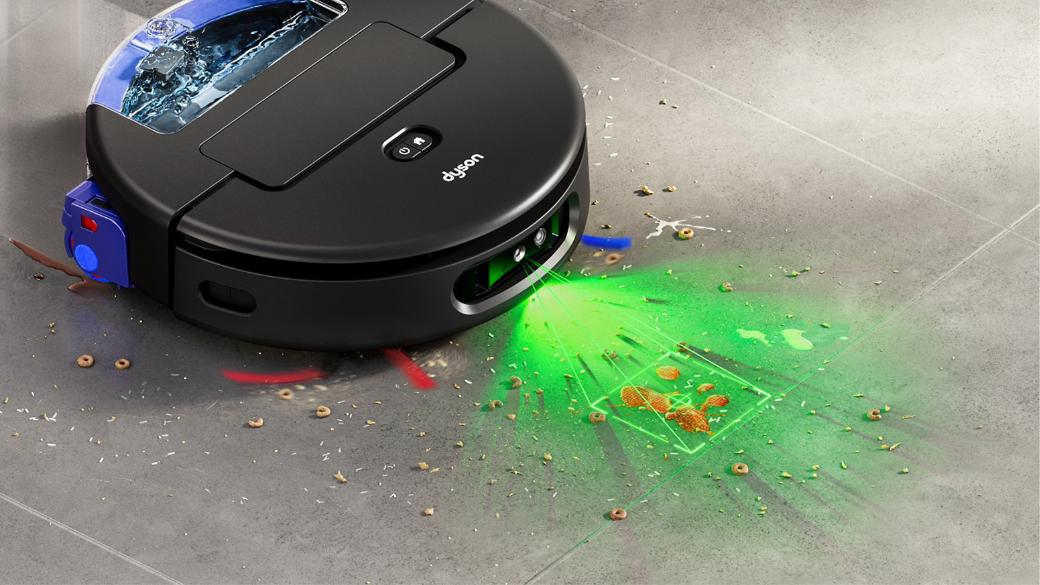
In practice, one of the most useful applications is object recognition. A robot can use cameras and sensors to identify things sitting on the floor and decide whether it should go around them.
That sounds like a small improvement until you remember what is normally lying around a real home.
Charging cables. Socks. Shoes. Children’s toys. Pet bowls. Slippers. Bags.
Older robot vacuums would often simply drive into these objects, get stuck or drag them around the room. Newer models can recognize many of these obstacles and change their route accordingly.
This is where AI can make a genuine difference.
The Biggest Benefit Isn’t Better Cleaning
Interestingly, AI doesn’t necessarily mean that the robot will vacuum better.
A basic robot with strong suction can already pick up dust, crumbs and pet hair very effectively.
The bigger advantage is that an intelligent robot can require less babysitting.
That matters because one of the biggest frustrations with robot vacuums has always been the preparation. You have to pick things up from the floor before starting the robot, otherwise you risk coming home to find it stuck underneath a chair or tangled around a cable.
The latest systems are getting much better at dealing with imperfect homes.
Independent testing in 2026 shows that obstacle avoidance can vary considerably between models, with the best-performing robots able to navigate around a wide range of everyday objects without human intervention.
And that is arguably more useful than another few thousand Pa of suction power.
Today’s Robots Are Getting Seriously Smart
The latest generation is starting to look less like a traditional appliance and more like a small autonomous machine.
Roborock’s latest IFA lineup, for example, includes the Saros 20 series with advanced LiDAR navigation, obstacle avoidance and chassis technology designed to help the robot deal with difficult areas of the home. Some models advertise up to 36,000 Pa of suction.
DJI is taking things in an even more unusual direction.
Its new Romo 2 series can detect very small objects, adapt its navigation and even climb obstacles up to around 8 cm. DJI has also added a Local Data Mode that can disconnect the robot from the internet and disable its camera and microphone.
These aren’t gimmicks in the same way that some early “smart” features were.
They are solving actual problems.
But You Still Don’t Need the Most Expensive Model
Here’s where the marketing can become confusing.
Once you start looking at flagship robot vacuums, prices can climb very quickly. And spending more doesn’t necessarily mean that you’ll notice a proportional improvement in your home.
If your floors are mostly empty, you don’t have pets and you don’t leave cables and toys lying around, advanced AI obstacle avoidance may not be particularly important.
A simpler robot can still do an excellent job.
In fact, the most important question isn’t “Does this robot have AI?”
It is:
“What does the AI actually help it do?”
That’s the question worth asking before spending your money.
What About AI and Pet Owners?
This is where things get more interesting.
If you have a dog or cat, your floor probably isn’t perfectly clean before the robot starts working. Toys, food bowls and other objects can appear in unexpected places.
More advanced obstacle recognition can make a noticeable difference.
There is also the unpleasant possibility of pet accidents.
Nobody wants to discover that their expensive robot vacuum has driven through something it definitely shouldn’t have.
That’s why obstacle avoidance has become one of the most important features in premium robot vacuums. Current models are increasingly designed to recognize objects rather than simply react to them after making contact.
And Then There’s Privacy
There is one part of AI robot vacuums that deserves more attention: the cameras.
If your robot uses a camera to understand what is happening around it, that means there is effectively a camera moving around your home.
For some people, that’s perfectly acceptable. For others, it raises obvious privacy concerns.
DJI’s decision to add a Local Data Mode to the Romo 2 is interesting for exactly this reason. The feature allows users to disconnect the robot from the internet, disable the camera and microphone and delete stored data.
As robot vacuums become more autonomous, privacy should be part of the buying decision — not an afterthought.
So, Do You Really Need an AI Robot Vacuum?
For most people, no.
You don’t need a robot with the most advanced AI, the most cameras or the highest possible suction number.
But if you have pets, children, a busy household or floors that are rarely perfectly tidy, advanced obstacle avoidance can make a robot vacuum significantly more convenient.
And that’s the important distinction.
The best AI feature isn’t making your robot sound more intelligent. It’s making you think about it less.
If your robot can recognize the cable you forgot to move, avoid the toy your child left on the floor and find its way around the furniture without getting stuck, that’s technology doing something useful.
So don’t buy a robot vacuum simply because the box says AI.
Buy it if the AI means less work for you.